Book an appointment with your pharmacist
Need a consultation related to the health condition discussed in this article? Schedule an appointment with your pharmacist at a time that works for you.
When it comes to diabetes treatments, people often think of oral medication. However, other options are available for people living with type 2 diabetes, including GLP-1 agonists, which are primarily available in injectable form. Before exploring these treatments, it is important to briefly review the basics of diabetes.
Understanding Type 2 Diabetes
Diabetes is a chronic disease characterized by high blood glucose levels, meaning that there is too much sugar in the blood. Over time, high blood sugar can lead to complications that may affect multiple organs, such as the heart, kidneys, eyes, and nerves.
- The causes of hyperglycemia can vary according to the type of diabetes. Type 2 diabetes, which accounts for the majority of cases, is primarily linked to insulin resistance.
- As a result, the body’s cells respond less effectively to this hormone, which prevents them from properly regulating blood sugar levels.
- Although it is often linked to lifestyle factors, type 2 diabetes may also be linked to genetic factors.
What are the treatment options for type 2 diabetes?
Although Type 2 diabetes cannot be cured, it can be effectively managed with appropriate management. This management is based primarily on lifestyle habits, including:
- Eat a well-balanced diet;
- Exercise regularly;
- Quit smoking.
- Learn to manage stress better.
When these measures are not enough, medication can be added. It comes in various forms, including tablets and injections.
- Oral medication: Several classes of medications exist, such as sulfonylureas, biguanides, and DPP-4 inhibitors, among others.
- Injectable medication: There are two classes, namely insulin and GLP-1 agonists.
GLP-1 agonists: How do these drugs work?
GLP-1 (glucagon-like peptide) agonists are a class of drugs that are increasingly used to treat Type 2 diabetes. Along with insulin, these are the only injectable treatments currently available for this condition.
These include, in particular:
- Semaglutide (Ozempic);
- Dulaglutide (Trulicity);
- Liraglutide (Victoza).
These medications mimic the action of a natural hormone, GLP-1, which helps regulate blood sugar and appetite. They stimulate insulin production when blood sugar levels rise and slow down gastric emptying.
What are the benefits of GLP-1 agonists?
- GLP-1 agonists can effectively help lower blood sugar levels, while posing a low risk of hypoglycaemia when used on their own, unlike some other classes of medications.
- They are also often associated with weight loss, which can help improve diabetes control.
- In addition, several studies have shown beneficial effects on cardiovascular and renal health in some people, thereby reducing the risk of complications. That is why they are increasingly being prescribed to patients with diabetes.
Possible side effects of GLP-1 agonists
The most common adverse effects are digestive in nature, including:
- Nausea;
- Vomiting;
- Diarrhea;
- Constipation.
These symptoms generally tend to subside over time. However, if they become uncomfortable, you may want to discuss adjusting your treatment with a healthcare professional.
More rarely, more serious effects, such as pancreatitis, may occur. Regular follow-up with a healthcare professional ensures the treatment is used safely.
Dosage and administration of GLP-1 agonists
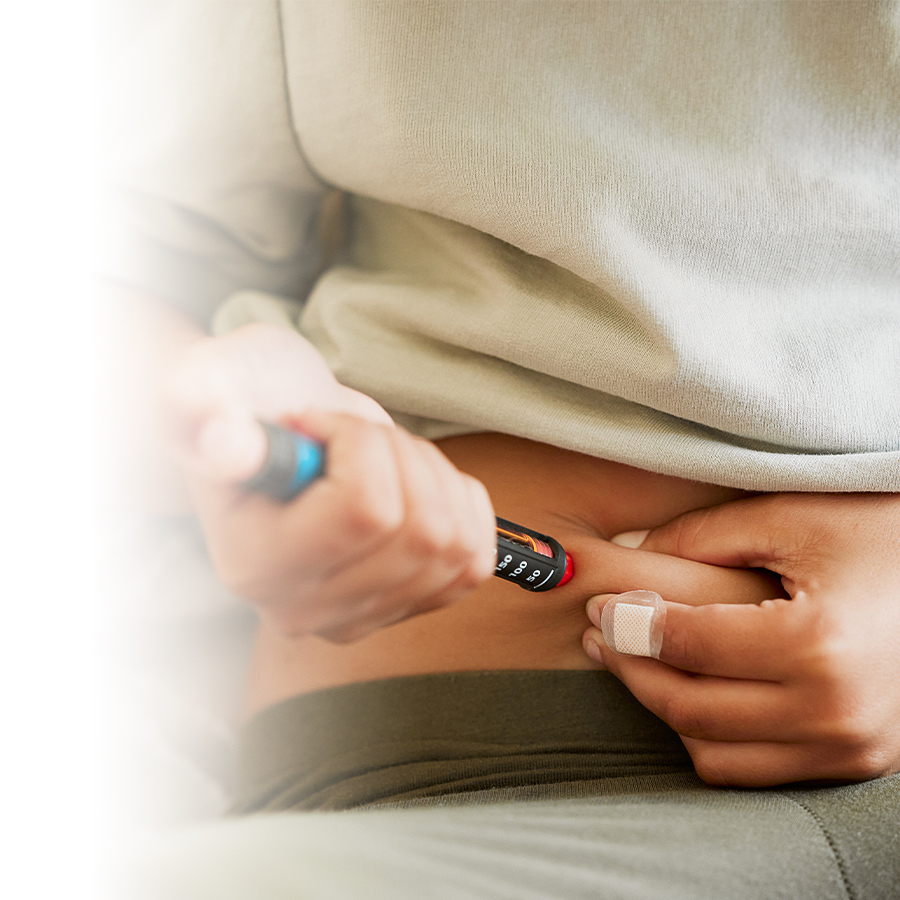
- GLP-1 agonists are typically administered by subcutaneous injection using an auto-injector pen fitted with a single-use needle.
- Needles must be disposed of in a designated container, available at the pharmacy.
- Depending on the type of molecule prescribed, the medication may be taken daily or once a week, which can be beneficial for some people.
Your pharmacist can show you how to inject the medication safely and effectively. In particular, they can show you how:
- to choose the injection site;
- to disinfect the injection site;
- how the autoinjector pen works;
- to dispose of the needle after the injection;
- to store both opened and unopened pens.
GLP-1 agonists and insulin: what it the difference?
Although these treatments are generally administered by injection, they work in different ways:
- Insulin replaces a hormone that is normally produced by the body but is absent or insufficient.
- GLP-1 agonists stimulate the production of insulin by the pancreas, while reducing the secretion of glucagon, a hormone that increases blood glucose levels.
In addition, the frequency of administration is often lower with certain GLP-1 agonists. Insulin often needs to be injected daily, or even several times a day, whereas GLP-1 agonists are administered anywhere from once a day to once a week.
Can GLP-1 agonists be used for weight loss?
Some people are familiar with these medications because of their use in weight management. However, their use in this context is regulated and reserved for very specific situations, particularly for people with a high body mass index (BMI) associated with health problems, such as type 2 diabetes, hypertension or cardiovascular disease.
The goal of this treatment is to The goal of this treatment is to improve overall health, not to achieve a cosmetic result.
How to choose the right treatment for diabetes?
The choice of treatment depends on several factors, such as:
- Blood glucose level;
- Symptoms;
- Other health conditions;
- Kidney function.
A healthcare professional can help you determine the best option for your situation.
The pharmacist's role in diabetes management
Pharmacists play an important support and management role for people living with diabetes. They can:
- Explain how treatments work;
- Provide personalized advice;
- Monitor the treatment;
- Adjust medication as needed;
- Order laboratory tests in certain cases;
- Explain how blood glucose monitors work;
- Teach the technique for administering injectable drugs.
They can also provide advice on minor health issues often associated with diabetes, such as wound healing problems, fungal infections, or urinary disorders.
Please feel free to ask your pharmacist any questions you may have about your treatment or diabetes.