Chapping, cracks, intense dryness, or even burning sensations: the harmful effects of cold weather on our skin are both numerous and uncomfortable. Fortunately, by adapting your skincare routine and choosing the right products, you can preserve your skin's health and beauty throughout the cold season. Discover our expert advice to face winter with comfortable, moisturized and protected skin.
Why is my skin dry in winter?
Several environmental and physiological factors combine to weaken your skin barrier during the cold season.
When the temperature drops, the humidity in the air decreases dramatically. According to the Canadian Dermatology Association, dry skin (xerosis) is a very common condition that is particularly prevalent in colder climates, such as Canada. This drop in humidity leads to increased evaporation of water from your skin.
Did you know? Snow reflects up to 80% of UV rays, compared with 25% for water and only 10% for land. This means that your skin is exposed to harmful elements from all directions, even in winter.
What causes dry skin in winter?
There are several factors that can dry out your skin and therefore lower your moisture levels.
The phenomenon of vasoconstriction, for example, is your body's defence reaction to cold. This reaction reduces blood flow to the skin's surface, which in turn reduces oxygenation and nutrition to skin cells. Result: your skin produces less sebum, the natural oil that forms a protective barrier against dehydration.
Indoor heating can also be a cause of dry skin. The temperature variations between the outdoors and the overheated indoors also worsen the condition of your skin. This weakens your hydrolipidic film and the natural protective layer of your epidermis.
No need to panic—it is possible to prevent and relieve dry skin in winter. See our article for tips and advice from our specialists.
How can you protect your skin from the cold and keep it moisturized in winter?
Adapting your skincare routine to the harsh winter conditions is essential for maintaining healthy, comfortable, and well-protected skin. Here are the key steps to achieving optimal moisturizing for your entire body.
Choose the right body moisturizer
When the temperature drops, so does the humidity in the air. Our skin becomes dehydrated more quickly, and the layer of water and oil that protects it from aggression eventually becomes less effective. As a result, redness, irritation, and discomfort are more likely to develop.
To remedy the situation, choose day and night skincare products that will help your skin retain moisture and prevent dryness. Look for thick, creamy formulas enriched with nourishing and thirst-quenching ingredients such as plant oils, shea butter, ceramides, and hyaluronic acid. For optimum absorption, apply to a freshly cleansed, damp face.
If your skin is very sensitive or damaged, you can use a super-hydrating product (such as cold cream), which will deeply repair the affected areas and act as a shield against the cold. This treatment will also help rough areas such as elbows, knees, heels and hands.
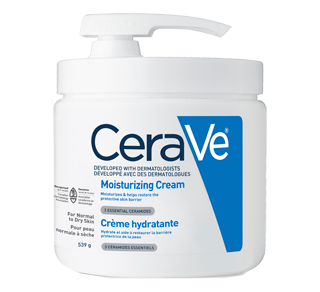
CeraVe
Moisturizing Cream With Pump, 539 g
Developed with dermatologists, CeraVe Moisturizing Cream effectively moisturizes while helping to restore the natural skin protective barrier. This rich, non-greasy cream, with 3 essential ceramides and hyaluronic acid, provides all day hydration after just one use.
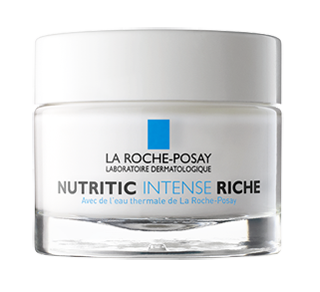
La Roche-Posay
Nutritic Intense Riche, 50 ml
Rich, ultra-nourishing balm texture for very dry skin. Very dry to extra dry skin. Paraben-free.
Tip: For optimum absorption, apply your moisturizer to freshly cleansed, slightly damp skin. This technique traps moisture and maximizes the benefits of your treatment. Thermal water is also very beneficial for dry skin.
Protect your hands from the cold
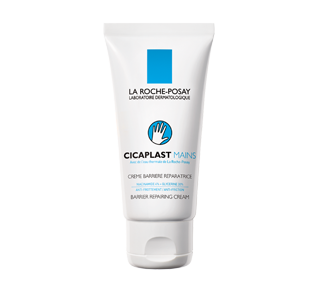
Your hands are particularly vulnerable in winter. Constantly exposed to the elements and frequently washed, they quickly become chapped, cracked or irritated. To protect them effectively, apply an ultra-moisturizing cream before putting on your mittens every time you go out.
Also carry a tube of hand cream with you at all times. Apply generously every time you wash your hands, as tap water, especially hot water, tends to dry out the skin considerably.
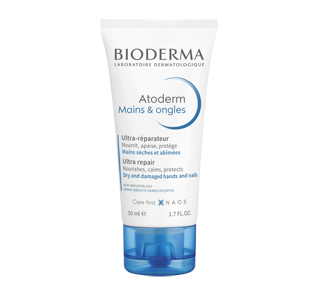
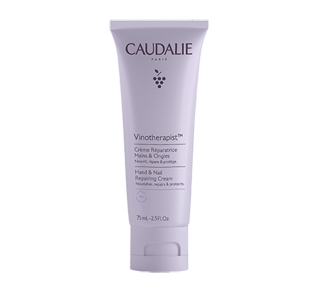
Caudalie
Vinotherapist Hand & Nail Repairing Cream, 75 ml
The Vinotherapist hand and nail repairing cream nourishes and repairs dry hands without leaving them feeling greasy, all while protecting them from dehydration and external stressors. Feelings of tightness are soothed, the skin is softer and the nails and cuticles are strengthened.
The best moisturizing routine for dry facial skin
Facial skin requires special attention during the cold season, as it is thinner and constantly exposed to harsh weather conditions.
1 - For the face, choose a rich protective cream against the cold
Your summer beauty routine is no longer enough when winter arrives. It is time to step up your skincare routine to give your face the protection it needs.
Start by choosing a day cream and a night cream specifically formulated for winter. These products should be richer than your usual products and contain high concentrations of moisturizing and nourishing active ingredients. A thicker texture is not a drawback in winter— it is exactly what your skin needs to withstand the cold.
Nutritic Intense Riche cream from La Roche-Posay is ideal for dry and extremely dry skin. Also, are you familiar with moisturizing masks? They can be a very effective solution for restoring freshness and hydration to your face. Find the ultimate hydrating mask to pamper your skin!
2 - Use serums to boost the effectiveness of your treatments
Would you like to indulge in an intensive nourishing treatment? Apply a bit of serum to your face before applying your moisturizer. This concentrate of active ingredients will enhance the effect of the treatment—and the skin's resistance.
To maintain a healthy complexion despite harsh weather conditions and lack of sunlight, you can also add a booster enriched with vitamin C and hyaluronic acid to your morning routine. Four or five drops after cleansing, and you've got a radiant glow for the day!
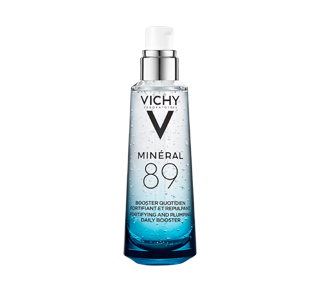
Vichy
Mineral 89 Hydrating Booster Daily Booster, 75 ml
For the 1st time in a luxury 75 ml size, a breakthrough skin care formula, combining 89% Mineralizing Thermal Water with Hyaluronic Acid, for a boosting effect. Minéral 89 fortifies and makes skin more resistant to help protect against external aggressors like pollution and cold weather. It boosts hydration to replenish the skin's moisture barrier. Skin feels more hydrated, plumped and toned. Day after day, skin radiates with a healthy glow.
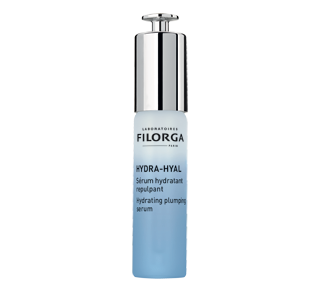
Filorga
Hydra Hyal Hydrating Plumping serum, 30 ml
Discover the new Hydra-Hyal serum, a hydrating treatment with hyaluronic acid, to visibly plump up the skin. Filorga relies on a history of nearly 40 years of expertise in injectables and for the first time integrates into one of its products a formula that delivers 5 types of hyaluronic acids into the skin to moisturize, smooth and plump.
3 - Protect your cheeks from redness
Often, a strong gust of wind is enough to dilate the blood vessels around the eyes and mouth, causing a slight feeling of irritation. To prevent these skin reactions, use a skin care product that treats and soothes the delicate skin around the eyes and lips. A good choice? A “cica” balm (made from centella asiatica, a key ingredient in Korean beauty products): rich in minerals and emollients, this type of product can soothe inflammation, repair damage caused by extreme dryness, and form a protective barrier against external aggressions. Always carry it with you!
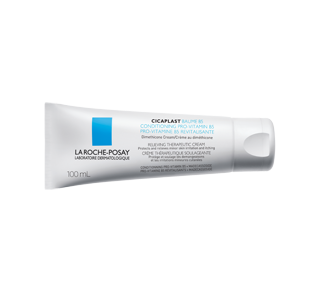
La Roche-Posay
Cicaplast B5 Balm, 100 ml
This soothing and relieving balm is suitable for multiple skin concerns, for babies, children and adults alike! It promotes optimal skin recovery for sensitive skin after dry skin irritations and superficial cutaneous heating sensations. Thanks to its quick-absorbing texture and invisible, non-oily and non-sticky finish, all activities can be immediately resumed after application!
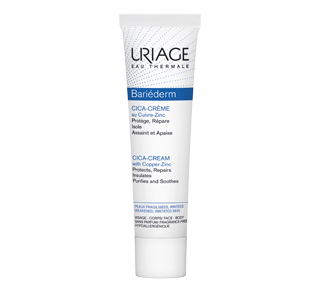
Uriage
Bariéderm Repairing Cica-Cream, 40 ml
Bariéderm Repairing Cica-Cream with copper zinc is perfect for everyday little hurts and can be used on the whole family.
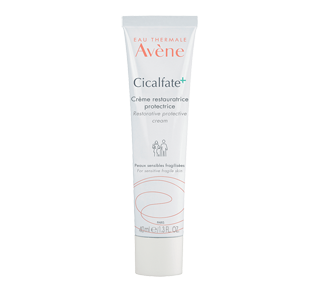
Avène
Cicalfate+, 40 ml
40 ml Cicalfate+ cream : The restorative protective cream to soothe, repair*, and purify the irritated skin of the whole family everyday. *promotes epidermal repair
4 - Never neglect sun protection
We sometimes forget when the mercury drops well below zero, but the sun still affects our skin! Our skin faces two major risks:
- Double exposure. UV rays may be less intense in winter, but they still reach us (even through the clouds...). Our skin is therefore exposed to their effects from all directions, at a time when it is less resistant— summer's tan (and protective pigments) having disappeared.
- Premature aging. When UV rays reach unprotected skin, they damage skin cells and impair their regeneration. As a result, the skin dries out and sags, wrinkles deepen, and pigmentation spots may appear in the most damaged areas.
Tip: Never go out without properly protecting your face. Sunscreen is the best anti-aging treatment! In terms of formula, aim for a moisturizer with an SPF of at least 30, capable of blocking UVA and UVB rays. See our article to learn more about SPF.
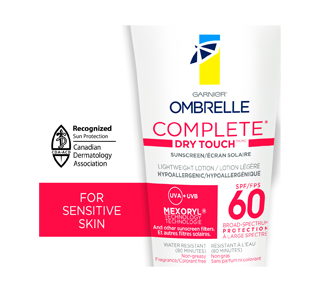
Garnier
Ombrelle Complete Dry Touch Face & Body Sunscreen Lotion SPF 60, 200 ml
Experience gentle and effective sun protection for the face and body with Ombrelle's Complete Dry Touch Sunscreen Lotion. Tailored for sensitive skin, this lightweight sunscreen lotion offers broad spectrum protection against UVA and UVB rays, ideal for daily application. This non-greasy sunscreen is quick absorbing and non-sticky, while being hypoallergenic, fragrance-free and cruelty-free.
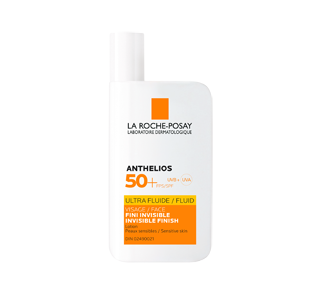
La Roche-Posay
Anthelios Ultra-Fluid Face Sunscreen Lotion SPF50, 50 ml
High UVA-UVB sun protection for the face with an invisible lightweight finish. A unique combination of invisible yet ultra-resistant protection developed for sensitive skin.
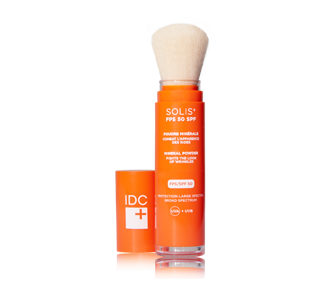
IDC Dermo
Solis+ Mineral Powder Fights The Look of Wrinkles 50 SPF, Dark, 6 g
This quick and easy-to-apply SPF 50 loose powder provides instant 4-season protection against sunburn and the harmful effects of UVA and UVB rays. Its powder texture helps to absorb and regulate excess sebum. This 100% mineral sun protection loose powder contains antioxidants as well as natural, calming and mattifying ingredients. The powder also helps preventing premature aging signs and reducing the appearance of wrinkles and other signs of photo-induced aging including sagging skin and pigmentation spots. Easy, quick and convenient use for consistent protection throughout the day.
Pssst! The lips are also part of the face . Remember to coat them with a protective balm! We have selected the 10 best lip balms just for you.
Every skin is unique and reacts differently to harsh winter weather. Your pharmacist has the expertise to help you find the best solutions for you. Whether you suffer from mild dryness or more serious skin problems, don't hesitate to consult a healthcare professional at your pharmacy.