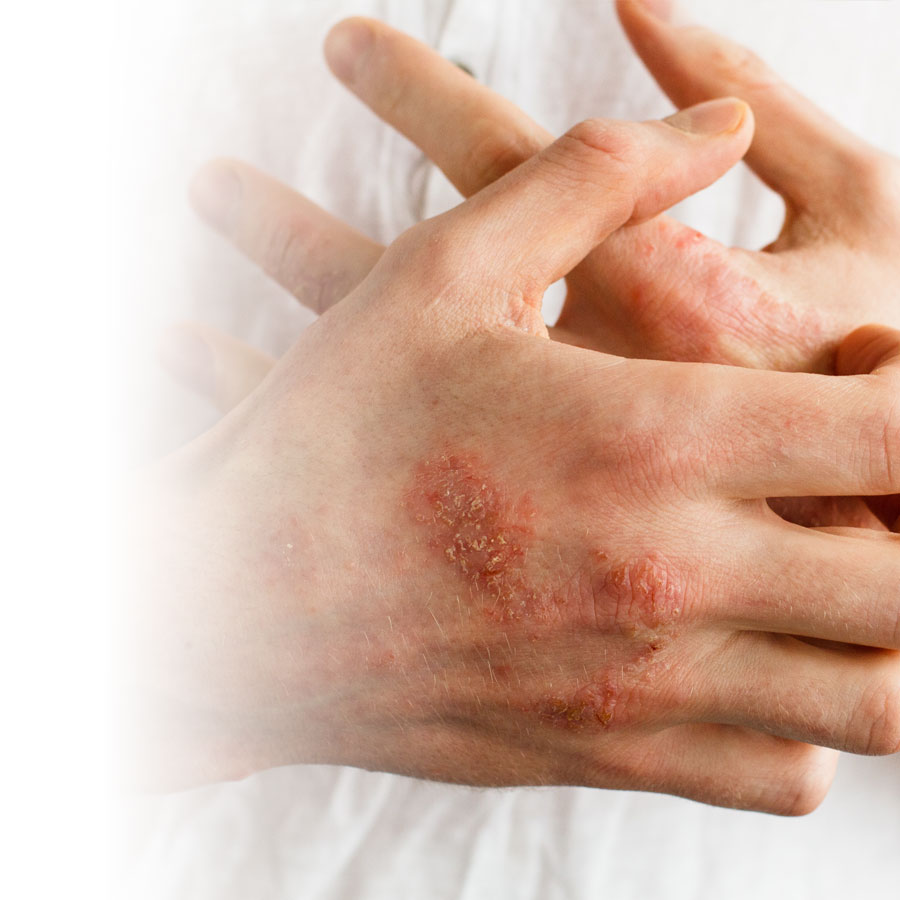
Eczema on the eyes and hands can cause intense itching, redness, flaking, as well as being unsightly. These side effects are not only uncomfortable for your skin, but they also affect your quality of life. Understanding the causes of this skin condition and using the right treatment can help restore comfort and well-being. Here's how to care for these particularly fragile areas.
What does eczema on the eyelids and hands look like?
Eczema varies in severity from person to person and from flare-up to flare-up. In general, symptoms appear as red, dry, inflamed patches, sometimes with fluid-filled blisters. Sometimes these lesions itch, peel, burn or feel tight.
- On the eyelids, these symptoms may be accompanied by swelling and oozing, and affect one or both eyes.
- On the hands (back, palms or fingertips), the skin cracks in some cases, and the cracks can be very painful.
How long does eczema around the eyes last?
A flare-up of contact eczema can resolve in a few days to two weeks with appropriate treatment and by avoiding the allergen. Atopic eczema is chronic, evolving in flare-ups alternating with periods of remission that can last several weeks or months.
What causes eczema around the eyes?
While the exact cause of eczema has yet to be identified, we do know that certain factors, notably environmental and genetic, influence its development. When it appears on the eyelids or hands, eczema is often linked to the following reasons:
Especially delicate skin
The skin of the eyelids and eye contour is three to four times thinner and more sensitive than that of the rest of the face. It has very few oil glands, which means it lacks natural protection against external aggressions. The thinness of the eyelids is conducive to irritation and inflammatory reactions. Moreover, residues from cosmetics, pollution, or allergens tend to accumulate in the folds of the eyelids.
Irritant or allergenic substances
Eyelid eczema is often the result of an allergic or inflammatory reaction triggered by contact with various substances.
Facial care products, cosmetics, makeup, makeup removers, hair colour, nail polish, contact lenses and their solutions can all contain potentially irritating ingredients. Bags, dark circles and wrinkles, we have the products you need.
Did you know that we touch our eyes about a hundred times a day, often without realizing it. Our hands carry many allergens to this sensitive area: household products, metals (nickel in jewelry, keys), pollen, dust and other environmental irritants.
Atopy
Unfortunately, some people have a genetic predisposition to developing eczema. This is referred to as atopic skin, i.e., hypersensitive to its environment. This skin overreacts to external stimuli: friction, temperature changes, perspiration, certain foods, emotional stress and exposure to allergens.
According to the Eczema Society of Canada, people with atopic dermatitis have an increased risk of developing certain eye conditions, making the eyelid area even more vulnerable to inflammation.
How to treat eye eczema?
Treating eczema of the eyelids requires a delicate approach adapted to the particular sensitivity of this area. Here are effective strategies for soothing and protecting your skin.
Topical care to prevent red eyelids
The choice of skincare products is crucial for the delicate eye contour area. Choose a gentle, hypoallergenic, fragrance-free cleanser, specifically formulated for sensitive or atopic skin. These products gently cleanse without damaging the skin's already fragile barrier.
Use an emollient cream specially designed for the eye area, which will soothe itching, deeply nourish the skin and reinforce its protective barrier function. Apply gently, without rubbing, morning and evening, and after each cleansing.
Daily habits to adopt
- Cleanse your face morning and night, avoiding vigorous rubbing.
- Use gentle movements and pat dry gently with a clean, soft towel rather than rubbing.
- Choose makeup products that are hypoallergenic, fragrance-free and easy to remove.
- Use mineral-based formulas, which are generally better tolerated by sensitive skin.
- Always remove your makeup before bedtime using gentle products.
- Choose hair care and nail polish that are free of fragrance and irritating substances, as these products can come into contact with your eyes via your hands or hair.
- Touch your face as little as possible and wash your hands frequently to avoid carrying allergens to your eyes.
- When you go out, protect your eyes with quality sunglasses that filter UV rays and limit exposure to environmental allergens, such as pollen.
How to relieve eye eczema?
Granted, it's not always easy, but try keeping a diary of your eczema flare-ups to identify triggers. Next, note the products used, the food consumed, stressful situations and environmental conditions. This approach will help you, with the assistance of your pharmacist, to identify items to avoid.
Be careful, in the event of an eczema flare-up around the eyes, it is strongly recommended to consult your pharmacist or your doctor. These healthcare professionals will be able to assess the severity of your condition, identify potential triggers and suggest the appropriate treatment for your condition.
How to care for hands prone to eczema?
Hands are another area frequently affected by eczema, as they are constantly exposed to potentially irritating substances or environmental stresses. The right skincare routine can protect and repair damaged skin.
Intensive moisturizing for dry hands
Use a rich, emollient, and repairing cream that will form a protective shield against daily aggressions. Apply it as often as needed throughout the day, especially after washing your hands. And the evening is often the ideal time to apply a generous layer of cream for greater effectiveness.
Extra protection
Wear gloves when doing household chores to protect your hands from contact with detergents, chlorinated water and other chemicals. And choose mild, hypoallergenic soaps for hand washing.
What are the best creams to use for eyelids and hands?
Jean Coutu pharmacies offer a complete range of products to care for eyelid and hand eczema. Your cosmeticians can help you find the best solutions for you. Here are a few examples:
For dry eyelids
Creams specifically formulated for the treatment of eyelid eczema, cortisone-free, offer immediate soothing, decongesting and restorative action. These products with a dressing-like texture provide intense hydration and help reduce the frequency of flare-ups.
For hands
Insulating barrier creams protect the skin from external aggressions of occupational or domestic origin: detergents, solvents, chlorinated water, irritating metals, repeated rubbing. These products strengthen the skin barrier and prevent irritation.
Emollient creams rich in moisturizing and repairing agents deeply nourish skin and restore its natural protective film. Some formulas contain soothing ingredients such as colloidal oatmeal, shea butter or glycerin.
Food supplements
Depending on your specific needs, your pharmacist may recommend vitamin D, zinc or omega-3 supplements to support your skin's health from within. These products complement topical treatments as part of an overall approach to eczema management.
Practical advice to prevent eczema flare-ups
Beyond treating symptoms, preventing flare-ups is an essential part of eczema management. A few simple habits can make a big difference.
✔ Maintain a regular treatment routine
It is essential that you are consistent in managing your eczema. Even when your skin is improving, continue to apply your moisturizers daily to maintain a healthy skin barrier and prevent recurrences.
✔ Adapt your environment
Maintain a stable temperature in your home and use a humidifier in winter to counteract dry air caused by heating. Avoid hot showers that dry out the skin; use lukewarm water instead.
✔ Manage stress
Integrate stress management techniques into your daily routine: meditation, deep breathing, yoga, regular physical activity or any other hobby that helps you relax. Quality sleep also helps reduce stress and improve skin health.
Eczema on the eyes and hands is not the end of the world. Whatever your skin type, there are solutions and skincare routines available. The solution consists of three steps: identifying triggers, preventing skin problems, and applying appropriate skincare products. Your Jean Coutu cosmetician can help you find what you need to restore your skin to health.
Our suggestions
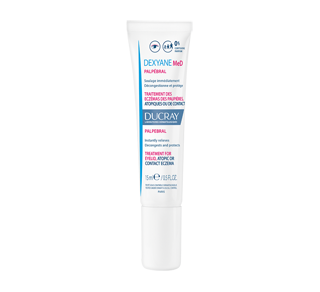
Ducray
Dexyane MeD Palpebral Treatment for Eyelid, 15 ml
Dexyane MeD Palpebral is a localized eyelid treatment. It is used on the sensitive and reactive skin of the eyelids in case of eczema or contact allergy. This treatment can be used on inflammatory lesions. It treats and limits the reappearance of eczema lesions of the eyelids. Its texture with an ultra-moisturizing dressing effect Immediately soothes Decongests Reduces redness Repairs dry skin Spaces-out flare-ups Fragrance-free, cortisone-free, paraben-free.
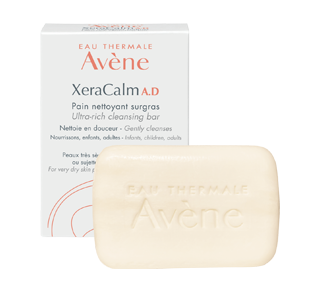
Avène
XeraCalm A.D Ultra-Rich Cleansing Bar, 100 g
Ultra-rich cleansing bar. Dry to very dry sensitive skin prone to atopic eczema and itching. Very gentle soap-free cleansing base - Skin pH balanced - Non-comedogenic - Formulated to minimize risks of allergic reactions Very good cutaneous tolerance.
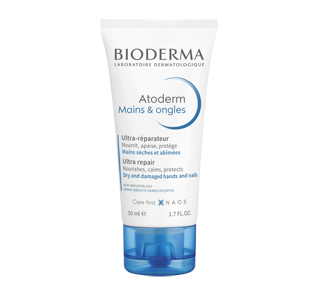
Ducray
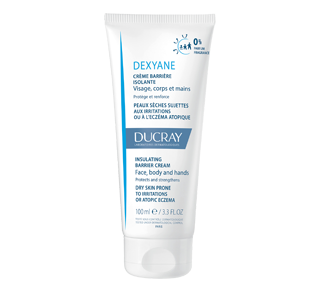
Dexyane Insulating Barrier Cream, 100 ml
Dexyane insulating barrier cream insulates and protects dry skin prone to irritation or atopic eczema from external aggressions of professional origin (hairdressers, construction workers, health personnel, etc.) or domestic (detergents, chlorinated water, trouser buttons etc). Dexyane insulating barrier cream can also be used in case of irritation of the pacifier. Insulates and protects the skin from external aggressions: water, detergents, irritating metals such as chromium and chemical and physical aggressions (friction) Strengthens the skin barrier Leaves an invisible and lasting film on the skin Fragrance-free, paraben-free From birth