Makeup brushes are must-have accessories for your beauty kit. However, their care is often neglected, even though it plays an essential role in your skin’s health. Improperly cleaned brushes accumulate product residue, dead skin cells, and bacteria that can affect the quality of your makeup and cause skin reactions. Whether you use natural or synthetic brushes, this guide will walk you through the steps of proper maintenance, choosing the right products, and establishing good habits.
Natural or synthetic bristles: what difference does it make in terms of maintenance?
Soft and silky, brushes made from natural sable, goat, or pony hair are best suited for dry products such as loose powders, bronzers, blushes, and eyeshadows. When it comes to creamy textures, such as foundations, concealers and lipsticks, it is best to use synthetic bristle brushes.. More affordable because they're made of nylon, they're also more durable.
No matter what type of brushes you use, it is important to clean them regularly to prevent the growth of bacteria. In addition to extending the life of your brushes, you will avoid contaminating your skin with germs that could cause pimples and even skin infections.
How to clean your makeup brushes properly?
Cleaning your brushes is much more than just rinsing. A good maintenance routine consists of four separate steps: scrubbing, cleaning, rinsing and drying. Together, these steps ensure that the accessories are hygienic, gentle on the skin, and easy to use.
How do I wash a makeup brush?
Here is the complete recommended procedure for a thorough wash, ideally performed once a week:
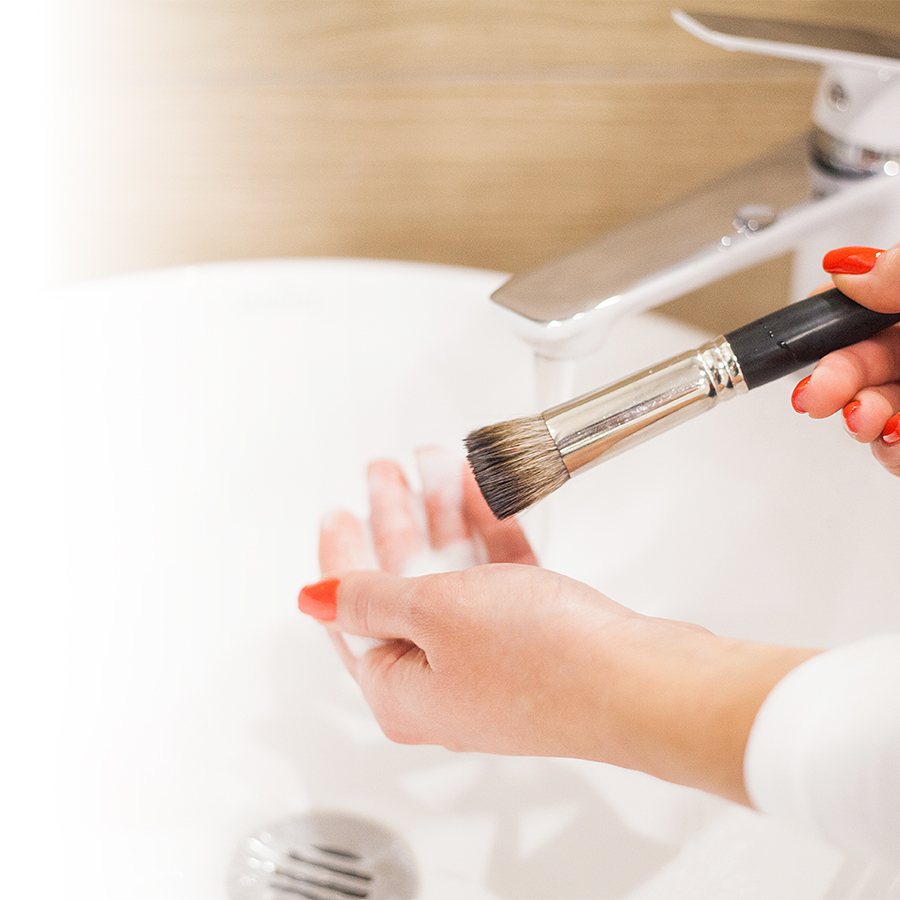
- Step 1 - Initial rinse: Run the brush bristles under a stream of lukewarm water (never hot, to avoid damaging the glue on the ferrule), pointing the bristles downwards to prevent water from seeping into the handle.
- Step 2 - Scrubbing: Place a small amount of cleanser (mild shampoo, unscented soap or specific brush cleaner) in the palm of your hand. Gently swirl the bristles in circular motions to dislodge makeup residue and impurities.
- Step 3 - Deep cleaning: If the brush is heavily loaded with product (foundation, concealer), repeat the operation a second time until the rinse water runs clear.
- Step 4 - Rinse: Rinse thoroughly under lukewarm water, hair side down, until no traces of soap remain. Residual product in the hair may irritate the skin the next time it is used.
- Step 5 - Drying: Gently press the hairs between your fingers to remove excess water without twisting them. Then place the brush flat on a sheet of paper towel or on the edge of a flat surface, with the bristles facing down to allow air to circulate. Never dry it standing up in a jar - the water will run down to the ferrule and loosen the hairs.
Tip: Don't clean your brushes too frequently, as this can damage them and shorten their lifespan. Deep cleaning every two weeks for daily use is recommended, rather than after each use.
When should I wash my makeup brushes?
A quick daily clean is recommended between weekly washes, especially for brushes used around the eyes or with cream products. An antibacterial disinfectant brush spray quickly disinfects bristles between uses without soaking the brush. This step is particularly important if you share brushes or have blemish-prone skin.
What's the best product for cleaning makeup brushes?
That will depend on your routine and how you use them. There is a wide range of products on the market, from professional cleaners to homemade solutions. Here's an overview to help you make the right choice for your needs.
What specialized cleaners are available for disinfecting brushes?
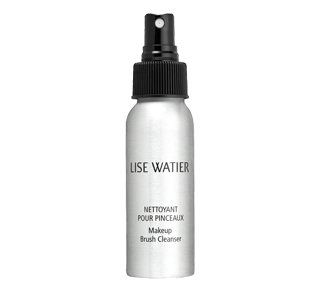
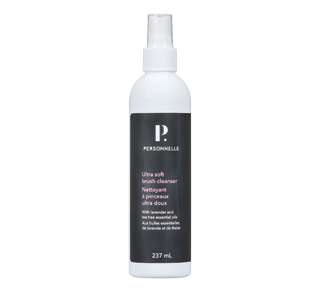
Products formulated specifically for brushes remain the most effective and gentle solution. They can be found in liquid, solid shampoo or spray form:
- Concentrated liquid cleanser: effectively dissolves foundation, blush and mascara residues.
- Anti-bacterial cleaning spray: ideal for quick cleaning between uses.
- Solid shampoo or gel cleanser: practical for weekly deep cleaning.
What's the best natural cleaner for makeup brushes?
Good news. If you also have sensitive skin, there are natural cleaning solutions that are just as effective. Here are a few:
- Mild shampoo or baby shampoo: its gentle detergent action cleanses fibres without drying or damaging them. An economical and easily accessible option.
- Liquid Marseille soap: excellent for dissolving greasy products, it cleans deeply while respecting natural bristles.
- Diluted white vinegar: used occasionally (once a month), it acts as an additional natural disinfectant. It does not replace cleaning with a foaming agent, but enhances brush hygiene, especially for acne-prone skin.
- Vegetable oil + soap: a dab of olive oil or coconut oil before soaping helps loosen stubborn pigments (intense eyeshadow, lipstick), then soap removes grease.
Whichever solution you choose, always choose a product with no added fragrance to limit the risk of skin irritation the next time you use the brush.
How do professional makeup artists clean their brushes?
Professional makeup artists have even stricter hygiene requirements, as their brushes are used on multiple clients.
At events, professionals make it a priority to use a fast-acting isopropyl alcohol-based disinfectant spray between each customer to sanitize brushes in a matter of seconds. At the end of the day, a complete wash is systematically carried out using a concentrated professional cleaner.
The pros also have their little secrets: they use silicone cleaning mats, which allow them to scrub deep into the grooves of the mat to remove even the most stubborn residue without damaging the delicate fibres.
Is there a machine for cleaning makeup brushes?
Yes! And this innovation has won over beauty enthusiasts everywhere. Electric brush cleaners (also called automatic cleaners) work by rotating at high speed. This way, the brush is clean and dry in seconds.
For more effective manual cleaning, silicone cleaning gloves and mats (as used by professionals) are also very popular.
How often should I wash my makeup brushes?
The ideal frequency depends on your frequency of use and the type of products you apply. Here are the general recommendations:
- Brushes used with cream products (foundation, concealer, lipstick): wash at least once a week, as greasy textures are a breeding ground for bacteria.
- Brushes used with powder products (blush, bronzing powder, eyeshadow): wash every two weeks.
- Eye or lip brush: quick clean after each use, especially in case of a pimple or cold sore.
How to store brushes after washing?
Once your brushes are clean and dry, allow between 6 and 12 hours for them to dry flat, depending on their density. Leaving them in a jar on your dressing table exposes them to dust and micro-organisms. Don't wait to put them away in a dust-free drawer.
Tip: it is recommended to keep them in a closed pouch or makeup bag, which you will clean at the same frequency as your brushes themselves. If you choose to use a jar, choose one with lid. And remember to clean the case or kit regularly to avoid recontaminating your freshly washed brushes.
Regularly cleaning and washing your makeup brushes is a simple beauty gesture, but one with considerable benefits: clearer skin, more precise makeup application and accessories that last longer.
Whether you're looking for a brush cleaner suitable for sensitive or acne-prone skin, or want to know more about which ingredients to choose or avoid, don't hesitate to consult our cosmetics specialists at your local store. They are your best beauty allies!